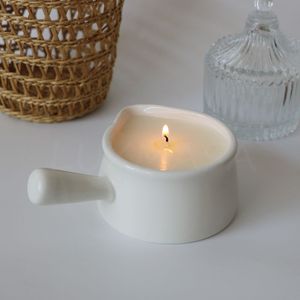
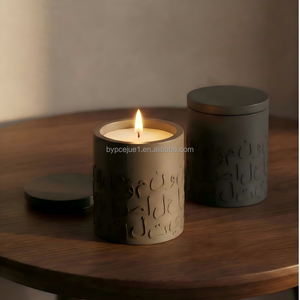
Explore our enterprise-grade export catalog. From high-fired stoneware vessels to custom embossed festival collections, every item undergoes rigorous 100% thermal shock and burn stability validation.
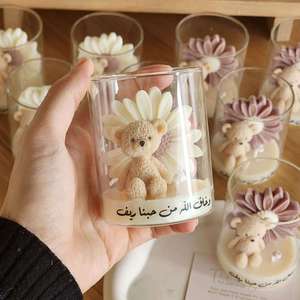
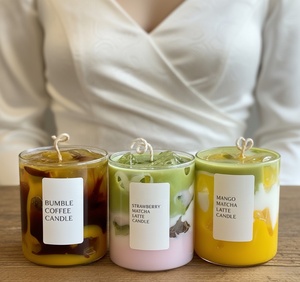
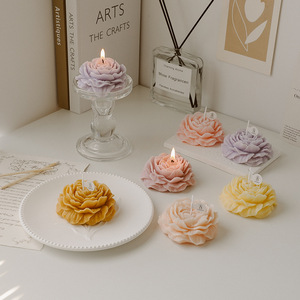
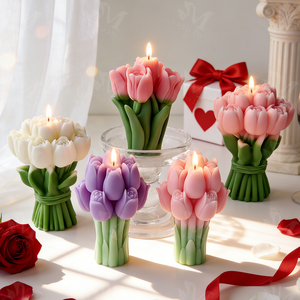
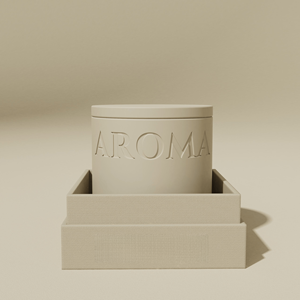
In the highly competitive global home fragrance, wellness, and interior decor industries, selecting the right ceramic vessel supplier is a pivotal strategic decision. Ceramic jars have evolved far beyond basic candle containers; they represent high-value aesthetic assets, functional thermal barriers, and sustainable, reusable luxury keepsakes. Modern B2B procurement managers, sourcing directors for retail chains, and luxury private label brands must look beyond surface aesthetics to evaluate ceramic jar manufacturers based on raw material purity, thermal expansion parameters, glaze stability, automated wax-pouring compatibility, and social-auditing compliance.
As an industry-leading OEM/ODM ceramic jar manufacturer and contract candle supplier operating at global scale, our integrated production hubs bridge ancient ceramic craftsmanship with high-throughput automated manufacturing. Operating under stringent ISO 9001:2015 Quality Management Systems and SA 8000 Social Accountability Guidelines, we provide international importers, Amazon FBA brand owners, and hospitality groups with turnkey manufacturing solutions that eliminate supply chain friction and guarantee flawless batch consistency.
Unlike third-party traders or fragmented workshops, our manufacturing infrastructure consolidates heavy-duty ceramic slip casting, high-temperature tunnel kiln firing, precision spray glazing, IFRA-compliant fragrance blending, natural wax pouring, and final drop-test box packaging under one unified management protocol.
Fired at 1280°C to achieve water absorption rates below 0.5%, preventing wax degradation and fragrance oil micro-seepage.
Every jar design undergoes internal flame exposure, thermal shock gradient testing, and structural integrity analysis under full burn conditions.
Daily output reaches 20,000 filled ceramic jar candles, supported by 27 tonnes of daily wax processing and automated multi-head filling lines.
Understanding the material properties of ceramic substrates is vital for sourcing managers seeking to prevent thermal cracking, tunneling, and oil leaching during prolonged candle burn cycles. The table below outlines key technical parameters across primary ceramic vessel classifications manufactured in our Chinese facilities:
| Material Category | Firing Temp (°C) | Porosity / Water Absorption | Thermal Shock Resistance (ΔT) | Ideal B2B Market Application |
|---|---|---|---|---|
| High-Fired Stoneware | 1250°C – 1280°C | < 0.5% (Vitreous) | High (ΔT ≥ 160°C) | Luxury Scented Candle Lines, Reusable Coffee Mugs / Vessels |
| Fine Porcelain | 1300°C – 1350°C | < 0.1% (Non-porous) | Superior (ΔT ≥ 180°C) | Translucent Luxury Candle Vessels, High-End Boutique Retail |
| Glazed Earthenware / Dolomite | 1000°C – 1150°C | 3.0% – 8.0% (Glaze Required) | Moderate (ΔT ≤ 120°C) | Promotional Decor, Seasonal Holiday Ornaments & Figurines |
| Terracotta (Raw/Matte) | 980°C – 1080°C | 5.0% – 10.0% (Sealer Applied) | Moderate (ΔT ≈ 130°C) | Rustic Wabi-Sabi Collections, Outdoor Citronella Burners |
The global ceramic container market is undergoing a major paradigm shift driven by consumer demand for sensory textures, sustainable circular design, and multi-functional home accent objects. Sourcing directors looking to outperform market benchmarks should consider the following core design trends currently dominating European and North American retail channels:
Uniform glossy surfaces are giving way to organic, artisanal finishes. Reactive glazes create unique gradient variations on every single jar during high-temperature kiln reduction firing. Concurrently, silky matte powder finishes, raw sand textures, and micro-grooved tactile surfaces offer a premium touch, enhancing brand positioning for luxury wellness lines.
Modern consumers actively avoid single-use packaging. Premium ceramic jars are now engineered with food-grade glazes, fitted bamboo or ceramic push-lids, and silicone sealing rings. Once the wax burns clean, the container transitions into a coffee cup, succulent planter, or vanity storage container, dramatically amplifying brand equity and sustainability compliance.
Complex 3D ceramic molding techniques allow for intricate architectural, floral, and cultural reliefs—such as luxury embossed Quran calligraphy for Ramadan collections, botanical peony shapes, or geometric Scandinavian minimalism. High-precision CNC mold carving ensures clean detail reproduction across mass production runs.
As environmental regulations tighten globally and international freight metrics remain volatile, global buyers must adapt their sourcing playbooks. Leading China ceramic jars factories are integrating advanced technology and supply chain solutions to remain competitive:
1. Low-Carbon Kiln Firing & Eco-Vessel Manufacturing: Factory automation in top Chinese ceramic clusters (such as Chaozhou, Jingdezhen, and Dehua) is shifting toward clean-energy electric and natural gas recuperative tunnel kilns. This transition reduces embodied carbon footprints by up to 35%, assisting international brands in meeting SCOPE 3 carbon neutrality mandates and EUDR sustainability standards.
2. Turnkey Private Label Integration (Vessel + Wax + Packaging): Sourcing ceramic vessels from one vendor and shipping them to a separate wax-filling facility introduces high freight costs, risk of ceramic transit damage, and logistical delays. Future-proof procurement relies on integrated partners who manufacture the ceramic vessel, blend and pour natural soy/coconut wax, perform IFRA scent validation, and drop-ship retail-ready packaged products directly to global distribution centers.
3. Accelerated Rapid Prototyping & Low MOQ Testing: Industrial 3D ceramic printing and rapid silicon mold building now allow brands to receive physical ceramic samples within 7 to 10 days. Sourcing managers can test market demand with smaller initial runs (1,000 units per SKU) before scaling to high-throughput container loads, drastically mitigating inventory risk.
Our organization represents the synthesis of multi-decade ceramic craftsmanship and modern compliance-driven factory management. Sourcing from our facility yields distinct competitive advantages:
We operate fully accredited facilities carrying ISO 9001:2015 and SA 8000 certifications, with regular third-party audits by SMETA (SEDEX) and BSCI. Sourcing teams gain complete transparency for retail compliance paperwork.
Our in-house chemical laboratories customize wax blends—including 100% natural soy wax, coconut-soy matrix, beeswax, and refined paraffin blends. We calculate precise wick sizes (lead-free cotton or wooden wicks) matched to ceramic jar wall thicknesses to prevent tunneling and vessel overheating.
Fragile ceramic supply chains require uncompromising structural packaging. We engineer custom molded pulp trays, rigid gift boxes, and corrugated cartons optimized for Amazon FBA and transit resilience, validated against ISTA 3A drop tests.
Our standard Minimum Order Quantity (MOQ) for custom glazed ceramic jars with private label soy wax filling is 1,000 pieces per SKU/colorway. For stock ceramic vessel formats with custom logo silk-screening or laser etching, we can accommodate pilot runs starting at 500 pieces to assist brands with market validation prior to mass rollouts.
We engineer our ceramic vessels specifically for candle thermal loads using high-fired stoneware or porcelain bodies (fired at 1280°C). We perform rigorous ASTM F2417 fire safety burn testing, continuously measuring outer surface temperature gradients to ensure ΔT values remain well within safety margins. Proper wick sizing further prevents concentrated hot spots against vessel sidewalls.
Yes. Our master ceramic colorists utilize spectro-photometers to match exact Pantone TPX/TCX color codes. We offer matte, glossy, satin, speckled, reactive, and metallic electroplated glaze finishes. Physical ceramic color swatches are provided for client sign-off prior to tooling mass production.
Our ceramic jars are 100% lead-free and cadmium-free, meeting FDA food-grade standards and EU REACH regulations. Fragrance oils utilized are fully IFRA-compliant and phthalate-free. We supply Safety Data Sheets (SDS), CLP/GHS labels, and Certificates of Origin (COO) for smooth customs clearance into the USA, EU, UK, and Middle Eastern ports.
Custom 3D sampling and ceramic mold development take 7 to 12 working days. Upon sample sign-off and fragrance validation, mass manufacturing typically takes 21 to 35 days depending on order volume. Ocean freight transit adding roughly 22 to 35 days depending on your destination port (CIF, FOB, or DDP terms available).
Partner with China's leading certified ceramic vessel and candle manufacturer. Share your CAD designs, target volume, or fragrance ideas with our engineering team today.
Get a Quote