Engineered for high hot-throw consistency, regulatory compliance, and rapid retail scaling. Select a format below to initiate sample formulation or volume pricing.

Analyzing global supply chain shifts, factory certification standards, and material integrity across leading fragrance production hubs.
The global home fragrance and ambient scenting market has undergone a structural transformation. Buyers who previously prioritized unit cost alone now demand audited compliance (ISO 9001:2015, SA 8000), rigorous toxicological clearance (IFRA 51st Amendment, REACH, CLP/GHS), and verified carbon footprint reduction. Choosing the right wholesale supplier requires navigating complex trade environments, tariff barriers, and technical manufacturing capabilities.
While Eastern European facilities excel in short lead-time container shipments to the EU, and South Asian facilities offer favorable tariff structures (GSP/FTA advantages) alongside natural wax extraction ecosystems, factory audit integrity remains the primary risk factor. Leading brands evaluate suppliers on wax-pouring thermal stability, wick-centering precision, and cold-to-hot scent throw retention ratio.
| Manufacturing Hub | Primary Product Strengths | Compliance & Social Audits | Raw Material Advantages | Average Lead Time |
|---|---|---|---|---|
| India (e.g., Welburn Facility) | Private Label Jar Candles, Pillars, Aromatherapy Sets, High-Volume Tealights | ISO 9001:2015, SA 8000 Certified, ASTM F2417 Compliant | Direct access to vegetable wax blends, pure essential oils, eco-packaging | 21 – 35 Days (Production) |
| South-East Asia (Vietnam/Thailand) | Mass-market paraffin pillars, decorative molded candles | ISO 9001 standard, varying social audit coverage | Synthetic wax access, palm-oil blends | 30 – 45 Days |
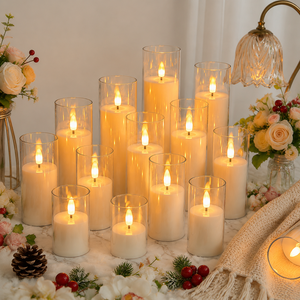
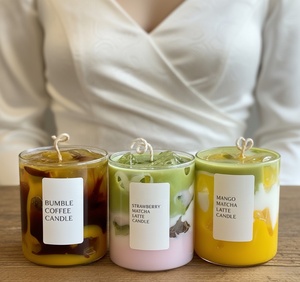
| China (Zhejiang/Guangdong) | Novelty shapes, gel candles, LED flameless acrylic units | BSCI, SMETA (Factory specific) | High polymer gel access, electronics integration | 25 – 40 Days |
| European Union (Poland/Germany) | Automated fill glass candles, luxury fine fragrance jars | EU Ecolabel, REACH compliance, ISO 14001 | Local glass manufacturing, European perfume houses | 14 – 28 Days |
Key technical and regulatory shifts redefining B2B home fragrance procurement over the next five years.
Consumer intent has pivoted from basic room deodorization to mood regulation, stress reduction, and sleep enhancement. Wholesale buyers are sourcing candles infused with natural essential oil isolates backed by olfactory clinical testing, demanding 8% to 12% fragrance loading without compromising flame height or soot thresholds.
Regulatory frameworks in North America and Europe are tightening restrictions on petroleum-derived paraffin soot emissions. Leading factories are shifting completely toward soy wax, coconut wax, rapeseed blends, and ethically harvested beeswax. Formulating stable bio-wax blends requires precise temperature-controlled pouring environments to avoid frosting or surface sinkholes.
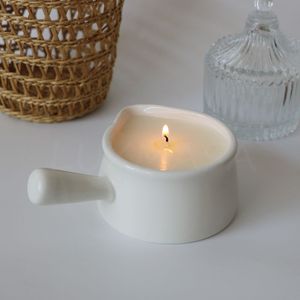
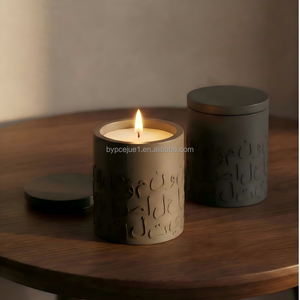
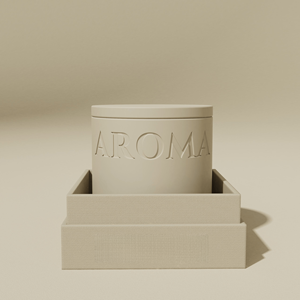
High-end home decor brands are specifying heavy-walled ceramic, concrete, and thick-base glass vessels designed for multi-use longevity. Factories capable of supplying engineered wax refills (pillows or drop-in inserts) allow retail brands to increase customer lifetime value (LTV) while meeting environmental, social, and governance (ESG) targets.
Essential operational metrics for procurement heads, product managers, and private label brand founders.
A reputable factory must provide Safety Data Sheets (SDS), European CLP classification labeling, and International Fragrance Association (IFRA) conformity certificates for every fragrance oil used. This mitigates legal exposure regarding hazardous chemical disclosures and customs rejections.
Ensuring candles meet fire safety protocols (maximum flame height, self-extinguishing behavior at end-of-burn, stability tests, and thermal shock resistance of glass containers) is mandatory for large-scale retail placement in chains such as Target, Walmart, or John Lewis.
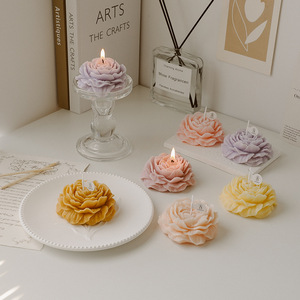
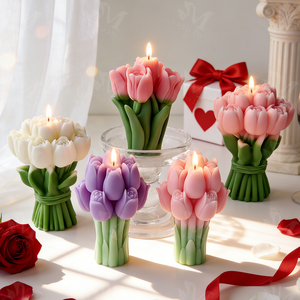
Mass volume items like un-fragranced household candles or tealights require high-speed automated pouring lines capable of outputting 1,000,000+ units per day. Conversely, complex sculpted floral candles (such as peony or tulip molds) demand specialized hand-pouring and manual petal trimming cells.
Top manufacturers maintain controlled-environment burn rooms free from air drafts to measure melt pool diameter, fragrance throw distance (rated cold and hot), soot output, and wick mushrooming across 4-hour burn cycles.
Combining 26 years of operational history with social responsibility and automated production scale.
Certified under SA 8000 and ISO 9001:2015. Our facility guarantees fair labor practices, absolute workplace safety, zero child labor, and full ethical supply chain traceability for global compliance teams.
Operating out of Bidadi Industrial Area, Karnataka, India, our automated linear filling lines and wax processing plants process over 27 metric tonnes of wax daily, shielding buyers from seasonal peak bottlenecks.
Partnering with world-class master perfumers across Grasse, Geneva, and New York, we formulate bespoke fragrance loads tailored specifically to soy, coconut, beeswax, and paraffin matrices.
Direct export capabilities servicing 20+ countries including the USA, UK, Germany, France, UAE, and Australia. We support FOB, CIF, DDP, and FBA-compliant master carton drops.
Technical guidance covering MOQs, lead times, custom tooling, and regulatory compliance.
MOQs depend on the product category. Automated high-volume items like tealights start at 20,000 pieces per run. Scented jar candles with custom wax pouring and private labeling start at 1,000 pieces per SKU. For custom molded pillars or household utility candles, MOQs are calculated based on a minimum batch weight of 500 kg of processed wax. Pilot evaluation runs are available for established brands launching new collections.
Fragrance syneresis ("sweating") occurs when fragrance oil concentration exceeds the wax matrix's oil-binding capacity or when pour temperatures are inaccurate. We eliminate this by conducting thermogravimetric analysis (TGA) for every wax blend and selecting specific emulsifying additives when fragrance loads exceed 8%. Tunneling is prevented by matching vessel interior diameter with precision-braided cotton or wood wicks calibrated during rigorous burn testing.
Sampling and scent matching take 7 to 12 business days. Mass production requires 21 to 35 calendar days following artwork and scent sample sign-off. Ocean freight from Indian ports (Chennai/JNPT or Bangalore ICD) takes approximately 22 to 30 days to North American ports and 18 to 25 days to European main ports.
Yes. We offer complete custom vessel tooling for glass, ceramic, concrete, and tinplate containers based on 3D CAD files. Our packaging department develops FSC-certified rigid presentation boxes, custom inner sleeves, protective molded pulp inserts, and Amazon FBA-compliant barcode labeling ready for direct warehouse intake.
Every shipment includes Safety Data Sheets (SDS), Certificates of Analysis (CoA), IFRA 51st Amendment statements, CLP hazard warnings for retail labels, ASTM F2417 burn test certificates, and standard commercial export shipping documents (Bill of Lading, Packing List, Commercial Invoice, Certificate of Origin).