Explore our export-grade soy wax candle portfolio engineered for international retail chains, luxury wellness brands, and private label importers. All formulations utilize 100% natural hydrogenated soybean oil paired with IFRA-certified botanical fragrances.
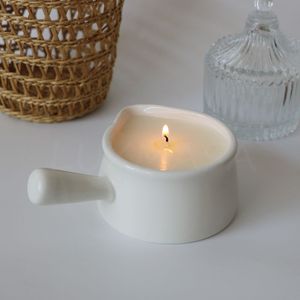
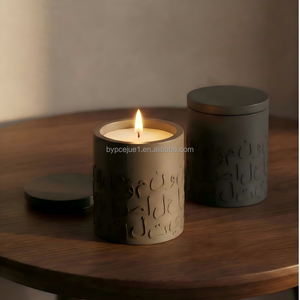

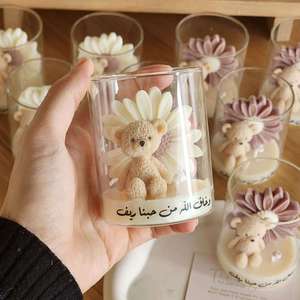
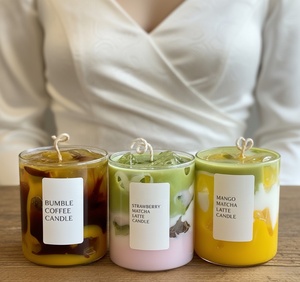
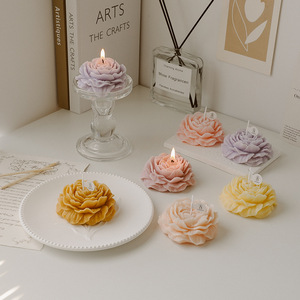

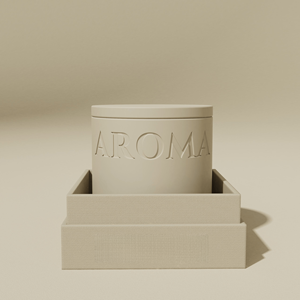
The global home fragrance market is undergoing a seismic paradigm shift. Modern consumers and institutional buyers are aggressively moving away from traditional petroleum-derived paraffin wax in favor of renewable, non-toxic, eco-friendly botanical alternatives. Soy wax derived from 100% natural hydrogenated soybean oil has emerged as the definitive benchmark for sustainable candles. China's candle manufacturing ecosystem stands at the forefront of this industrial transformation, offering unprecedented supply chain integration, material technology, and manufacturing agility.
As global brands scale their private-label scent collections, partner selection in China goes beyond finding a simple pouring facility. Procurement executives must evaluate technical metrics including polymorphic crystallization control, capillary action wick tuning, hot throw fragrance release kinetics, and thermal vessel shock endurance. This comprehensive white paper outlines the core competencies of top Chinese soy candle suppliers, future material trends, regulatory compliance, and practical procurement guidelines for overseas buyers.
Top Chinese soy candle factories combine high-volume automated processing with refined hand-finishing techniques. Operating under international standards such as ISO 9001:2015 for Quality Management and SA 8000 for Social Accountability, modern production facilities guarantee both batch-to-batch consistency and ethical manufacturing compliance.
Equipped with German-engineered automated liquid filling lines, factories maintain precise temperature control during the wax cooling cycle. This eliminates sinkholes, surface tunneling, and frosting, delivering a flawless cosmetic finish across millions of units.
In-house chemical engineers optimize scent throw binding agents. By tuning the soy wax crystal structure, facilities achieve up to 10-12% essential oil load without phase separation (sweating) or wick clogging during burn cycles.
Every batch undergoes ASTM F2417 flammability testing, burn rate analysis, vessel thermal shock testing, and SDS/CLP compliance verification. Sourcing teams receive comprehensive Pre-Shipment Inspection (PSI) reports prior to vessel departure.
| Parameter / Specification | Standard Soy Wax Grade | Luxury Premium Soy Blend | Testing / Compliance Standard |
|---|---|---|---|
| Melting Point Range | 48°C - 52°C (118°F - 125°F) | 54°C - 58°C (129°F - 136°F) | ASTM D87 / Differential Scanning Calorimetry |
| Fragrance Oil Capacity | 6% - 8% Volumetric Load | 10% - 12% Volumetric Load | IFRA Standard Guidelines / GC-MS Verified |
| Wick Compatibility | 100% Unbleached Cotton / Paper-core | FSC-Certified Cracked Wood / Multi-strand Cotton | EN 15493 Flame Height Stability |
| Sooting Index | < 0.05% Smoke Emission Rate | Near Zero (< 0.01%) Smoke Emission | ASTM F2417 Standard Specification |
| Scent Release Efficiency | Medium Cold Throw / High Hot Throw | Exceptional Cold & Hot Throw Balance | Olfactory Panel Score (1 to 5 Index) |
Navigating the next half-decade of home scent procurement requires an understanding of consumer preferences, environmental regulations, and material innovation. Supply chain directors must evaluate their prospective Chinese manufacturing partners across four key future trends:
While pure soy wax remains popular, high-end brands are pivoting toward Soy-Coconut and Soy-Beeswax hybrid blends. Coconut wax lowers the crystallization threshold, producing a smooth surface finish and enhanced scent throw, while soy maintains structural integrity during tropical ocean transport.
With strict regulations like the EU Deforestation Regulation (EUDR) taking effect, tier-1 suppliers in China now offer end-to-end supply chain transparency. Soybeans sourced for wax extraction are certified deforestation-free, backed by complete origin documentation for seamless customs clearance.
Commodity glass jars are rapidly giving way to custom-molded ceramic, embossed matte glassware, electroplated metallic tins, and biodegradable concrete containers. Modern Chinese factories provide in-house mold design and rapid 3D prototyping within 5-7 business days.
Establishing a smooth private-label production line demands a structured workflow. Leading Chinese candle manufacturers utilize a transparent 4-stage engineering cycle designed to minimize risks and enforce strict quality checkpoints:
Clients submit target scent briefs, aesthetic references, and vessel dimensions. Factory perfumers formulate custom essential oil blends or match existing benchmark fragrances using gas chromatography analytical tools.
Physical prototypes are produced within 7–12 working days. In-house labs perform extensive 4-hour burn cycle tests to select the exact cotton wick gauge needed to achieve complete melt pools without tunneling or excessive smoking.
Upon sample approval and artwork sign-off, bulk production begins. Automated pouring lines process 20,000 to 50,000 units daily, while custom rigid gift boxes, barcoding, and Amazon FBA-compliant master packaging are assembled in-house.
Connect directly with our senior supply chain specialists to request custom wax formulation samples, OEM price quotes, or factory audit documentation.