Precision-engineered candles manufactured under strict ISO 9001:2015 and SA 8000 controls. Clean-burning, heavy metal-free, and REACH-verified for international retail supply chains.
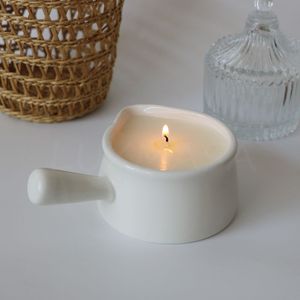
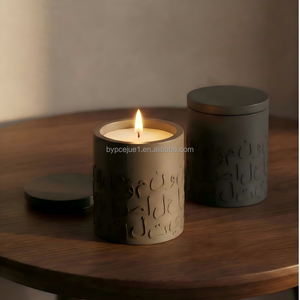


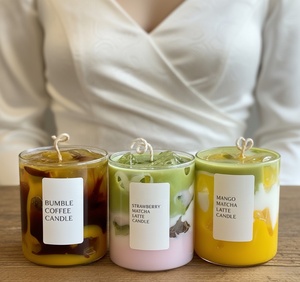
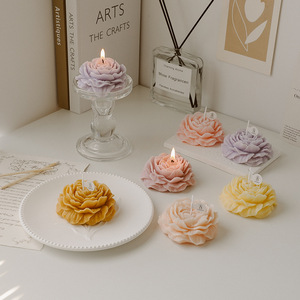

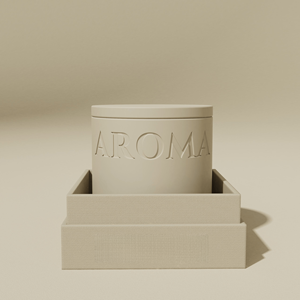
Operating out of our state-of-the-art facility in the Bidadi Industrial Area (Karnataka), we combine European automated volumetric pouring lines with hand-finishing craftsmanship for maximum scalability.
Our industrial infrastructure is governed by ISO 9001:2015 Quality Management Systems and SA 8000 Social Accountability standards. Every production lot includes full batch traceability, raw material CoA, and lab-certified burn metrics.
With an automated output capacity of 1,000,000 tealights, 20,000 scented jar candles, and 200,000 utility candles per single day, our automated cooling tunnels and liquid wax pipelines guarantee fulfillment of enterprise-scale POs without delay.
We strictly engineer clean-burning candles utilizing 100% botanical soy wax, coconut-soy matrices, sustainably harvested beeswax, and palm-free vegetable lipids. Zero paraffin off-gassing, zero heavy metal wicks, and zero banned phthalates.
In the modern retail landscape, the designation "Clean Candle" has evolved from a marketing buzzword into a rigorous, compliance-driven chemical and physical standard mandated by international regulatory bodies. Enterprise buyers sourcing for global retail networks—specifically within the European Union, the United Kingdom, and North America—must navigate an intricate matrix of safety standards, volatile organic compound (VOC) emissions restrictions, and structural performance criteria. This technical paper outlines the manufacturing paradigms, chemistry protocols, and audit benchmarks necessary to achieve full CE-compliant clean candle production.
Key Takeaway for B2B Sourcing Directors: CE Certification for candles under the General Product Safety Directive (GPSD 2001/95/EC) requires strict adherence to European Norms EN 15426 (Sooting Behavior), EN 15493 (Fire Safety), and EN 16738 (Emission Safety). A failure in wick-to-wax thermal ratio directly jeopardizes product entry into EU ports.
The foundation of clean candle engineering lies in the molecular structure of the fuel base. Traditional petroleum paraffin consists of straight-chain alkane hydrocarbons derived from crude oil refining. During combustion, unburned paraffin hydrocarbons can discharge benzene, toluene, and particulate soot matter (PM2.5) if flame temperatures fluctuate.
Clean candle factories replace petroleum fuels with hydrogenated botanical triglycerides (Soy, Coconut, and Rapeseed wax matrices). Soy wax, composed predominantly of steric and palmitic fatty acid chains, exhibits a crystalline lattice structure that requires precise thermal management during the pour phase (55°C – 62°C). The elevated melting point stability of hydrogenated vegetable lipids ensures clean combustion, transforming the wax cleanly into carbon dioxide and water vapor without emitting polycyclic aromatic hydrocarbons (PAHs).
| Analytical Parameter | Botanical Soy & Coconut Blend | Refined Food-Grade Paraffin | CE Benchmark / Standard |
|---|---|---|---|
| Soot Index (EN 15426) | < 0.10 mg/h (Ultra-Low) | 0.35 – 0.85 mg/h | Must not exceed 1.0 mg/h |
| Lead & Heavy Metals | 0.00 PPM (100% Organic Cotton) | Variable (If cored wicks used) | 0.00 PPM (Strict Lead Free) |
| Indoor VOC Emission | Undetectable Formaldehyde/Benzene | Trace Aromatics Detected | EN 16738 Air Quality Limit |
| Fragrance Thermal Limit | Up to 10-12% Load Efficiency | 6-8% Saturation Ceiling | IFRA 51st Amendment Compliant |
Achieving compliance for wholesale exportation into European markets mandates rigorous third-party laboratory validation across three primary European Standards (EN):
A clean wax matrix is ineffective without a calibrated combustion engine: the wick. Clean candle manufacturing utilizes 100% unbleached, ring-spun cotton or engineered paper-filament wicks. Lead-cored or zinc-cored wicks are completely excluded to meet stringent REACH Annex XVII heavy metal thresholds.
Factory engineers adjust wick yield (tex value), braid density, and chemical treatment (such as ammonium phosphate flame-retardant dipping) based on container diameter and fragrance viscosity. Correct capillary action draws liquid wax into the flame zone at a rate matching the oxygen consumption index, preventing soot formation ("mushrooming") and flame flickering.
As retail category managers, corporate procurement officers, and private label brand founders plan their long-term supply chain strategy, several macro shifts are reshaping the candle manufacturing ecosystem. B2B buyers must align with OEM factories that possess the technological flexibility and regulatory foresight to navigate these emerging realities.
With the implementation of the EU Deforestation Regulation (EUDR), palm wax and traditional soy derivatives face stringent land-use origin auditing. B2B buyers are migrating toward certified deforestation-free soy supply chains and regionally sourced rapeseed/beeswax blends. Factories offering transparent blockchain-mapped raw material sourcing will dominate market share.
Consumer demand has pivoted from synthetic fragrance overload to functional aroma wellness. Future procurement contracts focus heavily on 100% natural essential oil blends, functional scents designed for circadian support, and phthalate-free, synthetic-musk-free fragrance oils certified under the latest IFRA 51st Amendment standards.
Primary and secondary packaging must meet sustainable circular economy goals. Modern candle manufacturing incorporates ceramic vessels designed for consumer upcycling, biodegradable paper dust covers, water-based printing inks, and plastic-free rigid gift boxes optimized for Amazon FBA and direct-to-consumer (DTC) transit resilience.
Industrial candle factories are shifting away from manual batch pouring to multi-stage temperature-controlled automated lines. Robotic filling heads ensure ±0.5g fill accuracy across high-volume runs, while automated vacuum chambers eliminate internal air pockets, ensuring consistent hot throw and thermal integrity across global shipments.
Critical answers for B2B procurement managers, sourcing agents, and brand directors evaluating factory partnerships.
MOQs are tailored to specific formats to optimize manufacturing efficiencies. Mass-market aluminum or polycarbonate tealights start at 20,000 units. Customized scented jar candles with specialized vessels start at 1,000 units per SKU. Custom pillar or molded decorative candles require a minimum of 500 kg of processed wax blend. Pilot runs for market testing can be negotiated for first-time enterprise brand setups.
Every custom candle formulation undergoes rigorous testing in our internal QA lab and is validated via certified third-party testing houses (Intertek, SGS, TUV). We test under EN 15493 (Fire Safety), EN 15426 (Sooting Index), and EN 16738 (Emission Safety). Complete test reports, Safety Data Sheets (SDS), and CLP/GHS compliant packaging labels are provided prior to export dispatch.
Custom R&D sampling, fragrance matching, and wick calibration take 7 to 12 business days. Following artwork approval and fragrance sign-off, full bulk manufacturing requires 21 to 35 business days. Ocean transit from Indian ports (Chennai/Bangalore ICD) takes approximately 22 to 35 days depending on the destination port in North America, Europe, or the Middle East.
Yes. We specialize in contract OEM development. Clients can either provide their proprietary fragrance oils (provided they meet IFRA 51st Amendment standards and possess SDS documentation) or work with our master perfumers to synthesize custom signature scents. We offer full vessel customization including ceramic, frosted glass, matte metal tins, and bespoke molded shapes.
We manufacture using 100% natural soy wax, coconut-soy blends, organic beeswax, rapeseed wax, and palm-free vegetable lipids. For clients seeking cost-effective utility options, we also work with fully refined food-grade paraffin that meets international toxicity standards. All vegetable waxes are guaranteed GMO-free and pesticide-residue tested.
Our structural packaging design team builds retail-ready, drop-test verified corrugated packaging, master cartons, and inner sleeves. We provide full Amazon FBA prep services including barcode labeling, polybagging, suffocation warning applications, and palletization configured to international freight standards.
Whether you require 10,000 retail jar candles or mass multi-container shipments of CE-certified clean candles, our engineering and export team is ready to execute your project vision.