0%

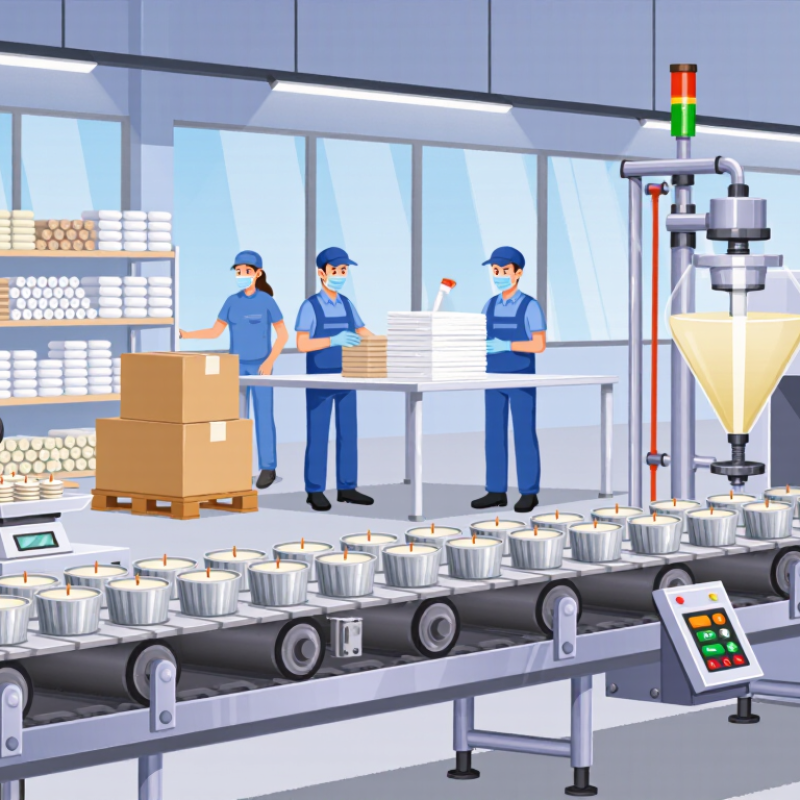
Choosing Mass Production Tealight Candles is not simply a matter of ordering more units. It is a manufacturing decision shaped by consistency, timing, cost control, and customer expectations. When hundreds or thousands of tealights are produced under one controlled process, each piece can maintain a similar wax fill, burn profile, wick position, and aluminum cup finish. On a busy production floor, calibrated filling machines move steadily while quality teams check weight, flame behavior, packaging, and surface appearance. Small differences still happen. That reality deserves honest attention.

Kathy LaVanier, a recognized candle-industry specialist and former National Candle Association president, has said, “A candle is a product of combustion, so safety must always be the first consideration.” Her perspective is highly relevant to Mass Production Tealight Candles, where a minor production error can affect many units. Reliable manufacturers therefore combine batch testing, traceable materials, trained operators, and documented safety procedures. They also evaluate wax selection, wick compatibility, fragrance load, and container performance before scaling a design. Lower unit costs can be attractive, but poor consistency may create waste, complaints, and missed delivery dates. Bigger is not automatically better. The right supplier must prove repeatable quality, transparent communication, and responsible sourcing. For hotels, restaurants, retailers, event planners, and home-fragrance brands, mass production can provide dependable supply and practical pricing. Yet buyers should request samples, production specifications, and inspection records before committing. This step may feel slower, but it often prevents expensive surprises.
Why Choose Mass Production Tealight Candles?

What Are Mass Production Tealight Candles?

Mass production tealight candles are small, standardized candles made in large, repeatable batches. They usually contain a measured wax fill, a centered wick, and a shallow metal or heat-resistant plastic cup. The cup supports the wax and helps the candle sit securely in a holder or decorative tray. In a factory, wax is heated, blended, and dispensed into many cups using calibrated equipment. Wicks are positioned before or after filling, depending on the production method. After cooling, candles are inspected, packed, and stored for shipment. This process lowers unit costs and keeps sizes relatively consistent. It makes large quantities practical for hospitality spaces, events, home décor, and seasonal displays.

For buyers, quantity is only one consideration. Burn time, flame stability, scent consistency, soot, and cup quality show how carefully each batch was controlled. A professional supplier should explain the wax type, wick selection, testing procedures, packaging protection, and recommended burning conditions. Small differences can matter. A poorly centered wick may create uneven melting, while an overfilled cup can cause wax to spill. No process is flawless. Automated lines improve speed, but they do not replace sampling and visual checks. In my experience, the cheapest batch is not always the most economical choice when several candles burn unevenly. That assumption deserves review. Buyers should test samples under realistic conditions and use suitable holders away from drafts and flammable materials. Never leave a lit candle unattended.

How Are Tealight Candles Manufactured at Scale?

Why Choose Mass Production Tealight Candles?

How Are Tealight Candles Manufactured at Scale?

Mass production begins with controlled wax handling. Factories melt measured wax in jacketed tanks, then blend color and fragrance at stable temperatures. Automated machines position cotton wicks inside aluminum or clear cups. Filling nozzles release nearly identical wax volumes into each container. Consistency matters. A small weight difference can change burn time and surface appearance.

After filling, trays move through cooling areas with controlled airflow. Rapid cooling saves time, but it may create frosting, sinkholes, or uneven tops. This is where practical experience matters. Operators inspect random samples, trim wicks, and test flame height, burn duration, and container heat. ASTM F2417 provides recognized fire-safety guidance for candle products, while internal batch records support traceability.

Scale follows demand. Grand View Research’s Candles Market report estimated the global market at about 7.15 billion U.S. dollars in 2022, with continued growth projected through 2030. The National Candle Association also reports annual U.S. candle sales above 3 billion dollars. These figures help explain why automated filling and packaging are valuable.

Yet automation is not flawless. Sensors can miss a tilted wick, and rushed cooling can reduce quality. Reliable producers therefore combine production data with human checks, keeping samples from every batch for comparison. Small errors multiply.

What Benefits Do Mass Production Tealight Candles Offer?

Why Choose Mass Production Tealight Candles?

Mass production tealight candles offer dependable supply, consistent burning, and lower unit costs. These advantages matter for hotels, restaurants, event planners, and retailers managing hundreds of small spaces. Grand View Research valued the global candle market at about USD 12.88 billion in 2022. It also projected a 5.7% compound annual growth rate through 2030. That growth increases pressure for efficient, repeatable candle manufacturing.

The benefits are practical. Automated filling creates more uniform wax volumes and reduces visible differences between batches. Controlled wick placement supports steadier flames and more predictable burn times. Bulk purchasing can also reduce wax, wick, cup, and packaging costs. The National Candle Association reports that roughly 35% of candle sales occur during the Christmas and holiday season. Large-volume production helps suppliers prepare for these sharp seasonal increases without constant emergency purchasing.

Consistency still needs verification. Samples should be tested for flame height, soot, burn duration, and cup temperature. A lower price means little if ten candles burn differently. Mass production may also create excess inventory when demand forecasts are wrong. That part deserves honest review. Better forecasting, modular packaging, and smaller production runs can reduce waste while preserving efficiency. In my experience, the strongest results come from factories that document batch controls and retain test samples for comparison. Small details matter.

Which Factors Affect Their Quality and Performance?

Why Choose Mass Production Tealight Candles?

Which Factors Affect Their Quality and Performance?

Mass production offers stable dimensions, repeatable burn times, and lower unit costs. However, scale does not guarantee quality. Wax composition remains critical. Paraffin, soy, and blended waxes melt at different rates. A small change can create tunneling, weak fragrance release, or excessive residue.

Wick selection matters just as much. Its material, thickness, and placement control flame height and heat distribution. Poor alignment may leave unmelted wax around the cup. According to the National Candle Association, about 70% of U.S. households use candles, so consistent performance affects a broad consumer market. Grand View Research estimated the global candle market at approximately US$8.4 billion in 2023. That growth increases pressure for reliable, repeatable production.

Tips: Check the wax batch, wick centering, cup stability, and first-burn results. Test candles under calm indoor conditions. Record flame height and melt-pool width. ASTM fire-safety guidance can support safer testing, but it cannot replace real quality control. Some manufacturers still focus too heavily on appearance. That is a weakness worth questioning. A bright surface may hide uneven wax density, weak wicks, or poor fragrance balance. Random batch testing, temperature checks, and documented burn trials provide stronger evidence than visual inspection alone.

How Can Buyers Select the Right Bulk Tealight Candles?

Selecting the right bulk tealight candles requires more than comparing carton prices. Start with the intended setting: restaurants, hotels, events, home décor, or emergency lighting. Each use requires different burn times, flame stability, and packaging. A buyer should request samples before placing a large order. Small details matter. Check whether the wax burns evenly, the wick stays centered, and the metal cup remains stable after heating.

Wax type affects performance, appearance, and storage life. Paraffin often supports consistent production, while plant-based waxes may suit buyers seeking a different material profile. However, “natural” does not automatically mean better. Ask for clear material specifications and test results. Measure actual burn time across several samples, not just one candle. A single good sample proves very little.

Production consistency is equally important. Inspect candle dimensions, scent strength, wick trimming, and packing quality across multiple cartons. Confirm the minimum order quantity, lead time, replacement policy, and export documentation before approval. Packaging should protect the cups from dents and heat exposure during transport. I have seen buyers focus too heavily on unit cost, then face waste from uneven batches. That assumption can fail. A reliable supplier should explain quality checks openly and provide relevant safety information for the destination market. Suppliers may still make mistakes, so written inspection standards and pre-shipment checks are worth the extra effort.

FAQS

What are mass production tealight candles?

They are small candles made in large, repeatable batches. Each candle usually has measured wax, a centered wick, and a shallow cup. They suit events, hospitality spaces, home décor, and seasonal displays.

Why do buyers choose mass production tealight candles?

Large-scale production usually lowers unit costs and keeps candle sizes consistent. It also supports repeatable burn times and easier bulk planning. Consistency matters. However, high volume does not guarantee good quality.

Which factors affect tealight candle performance?

Wax type, wick size, wick placement, cup quality, and filling accuracy affect performance. Different waxes melt at different speeds. A poorly centered wick may leave unmelted wax around the edges. Small errors matter.

How can buyers check candle quality?

Request samples from several production batches before placing a large order. Measure burn time, flame height, melt-pool width, and residue. Check whether the flame remains steady indoors. One perfect sample proves very little.

Does the wax type affect burning results?

Yes. Wax composition affects melting speed, appearance, fragrance release, and storage life. Some waxes support highly consistent production. Plant-based waxes may suit different material preferences. “Natural” does not automatically mean better.

Why is wick placement important?

A centered wick helps heat spread more evenly across the wax surface. A tilted wick may create uneven melting or a weak flame. The wick should also have suitable thickness and length. Alignment needs checking.

What should buyers inspect in bulk packaging?

Packaging should prevent dents, heat exposure, and movement during transport. Inspect multiple cartons, not just one outer box. Check cup stability, wick trimming, scent consistency, and visible damage. Packing mistakes can create avoidable waste.

What information should buyers request before ordering?

Ask for wax specifications, wick details, test records, minimum order quantity, and lead time. Confirm replacement terms and destination-market safety documents. Request written inspection standards and pre-shipment checks. Paperwork helps, but real testing still matters.

How should tealight candles be tested safely?

Test them in suitable holders on a stable, heat-resistant surface. Keep them away from drafts, curtains, paper, and other flammable materials. Record burn behavior under realistic indoor conditions. Never leave a lit candle unattended.

Conclusion

Mass Production Tealight Candles are small, consistently sized candles produced in large quantities for homes, events, hospitality settings, retail displays, and other everyday uses. Their manufacturing process typically combines carefully measured wax, prepared wicks, heat-controlled filling, cooling, and efficient packaging. Producing tealights at scale helps maintain steady supply, uniform appearance, and competitive pricing while supporting large or recurring orders.

The quality and performance of bulk tealight candles depend on wax composition, wick design, burn time, flame stability, container material, scent consistency, and production control. Buyers should compare these factors according to their intended application, along with packaging strength, product consistency, order capacity, delivery reliability, and safety information. Selecting the right supplier and specifications can help ensure that the candles burn evenly, look consistent, and provide dependable value across large-scale use.


Ethan

Ethan

Ethan is a dedicated marketing professional with a strong understanding of the company’s products, customers, and industry landscape. With a thoughtful, research-driven approach, he transforms complex product information into clear, practical, and engaging content that helps readers make informed......