Wholesale Decorative Pillar Candles may look straightforward, but buyers must weigh more than color and shape. A candle that photographs beautifully can still arrive with uneven surfaces, weak packaging, or inconsistent dimensions. Small details matter. This guide compares ten wholesale options through practical buying criteria, including wax type, wick performance, available sizes, finish, customization, minimum order quantities, and sample availability.
Designer and decorative-arts authority William Morris offered a useful principle: “Have nothing in your houses that you do not know to be useful, or believe to be beautiful.” He was not a candle-industry specialist, so this is a design lens, not technical buying advice. Applied here, beauty should sit alongside dependable specifications. Ask whether a three-inch pillar keeps its stated diameter, whether ivory and terracotta shades match the sample, and whether cartons protect the edges in transit.
The selections ahead are intended to help retailers, event planners, and hospitality buyers compare suppliers with clearer questions. Look for transparent product details, realistic lead times, and consistent communication. Request samples before placing a large order; product photos cannot show every surface mark or color shift. A low unit price may not tell the whole story. Packaging, reorder consistency, and usable burn information also shape value. This comparison cannot replace your own testing, and supplier details can change. That caveat matters.
Define Buyer Requirements: MOQ, Sizes, Wax Types, and Verified Burn-Time Claims
Wholesale buyers should define the use case before requesting quotes: event tables, hotel lobbies, or retail shelves need different candle dimensions. Specify diameter and height, plus holder clearance and acceptable variation between units. Set minimum order quantities by size and color, and ask whether mixed cartons count toward the MOQ. Small details matter.
Wax type affects appearance, scent release, and burn behavior. Request a written composition specification and samples from the production batch you may purchase. For burn-time claims, ask for test conditions, sample count, and results by candle size—not a single optimistic number. The National Fire Protection Association’s report Candle Fires in U.S. Homes (2021) estimated an average of 7,400 home structure fires involving candles each year from 2014 to 2018. That figure is not a product test, but it reinforces why clear use and safety information matters. A neat catalog chart can still leave questions unanswered.
Tips: Compare samples in the intended holders. Record room conditions and burn duration, then compare results with the supplier’s claim. Ask for independent test documentation where available. One sample is not enough. Variability happens.
Screen Suppliers Against ASTM F2417 Candle Fire-Safety Requirements
When sourcing wholesale decorative pillar candles, request evidence that each relevant product has been evaluated against ASTM F2417, the candle fire-safety specification. Ask which edition was used and whether the tested candle matches the item offered. Diameter, height, wax blend, wick, and decorative inclusions can affect burning behavior. A report for a plain pillar may not cover a candle with embedded botanicals or a different wick.
Review the test report, not just a supplier’s compliance statement. Check the product description, sample dimensions, test date, laboratory identity, and reported results. Ask how the supplier assesses flame behavior, stability, and secondary ignition under the applicable test methods. Get batch or production-lot traceability, too. It matters.
A clean report is useful, but it does not guarantee every candle will behave identically in every home. Request production samples and inspect them for upright wicks, even surfaces, and secure packaging. Confirm that burn instructions and fire-safety warnings accompany the product. If details are missing, ask for clarification before placing a large order. I would not treat a polished PDF as proof by itself; documents can be incomplete, and buyers should verify that the tested configuration matches the goods received.
Compare 10 Wholesale Pillars by Finish, Materials, Use, and Customization
Wholesale decorative pillars should be compared by finish, wax, burn purpose, and customization—not appearance alone. Grand View Research valued the global candle market at USD 12.88 billion in 2022 and projected 6.4% annual growth through 2030. That broad market figure is not a forecast for pillar candles, but it signals continuing buyer interest. Ask suppliers for dimensions, burn-test details, and sample consistency before placing a large order.
Compare ten options:
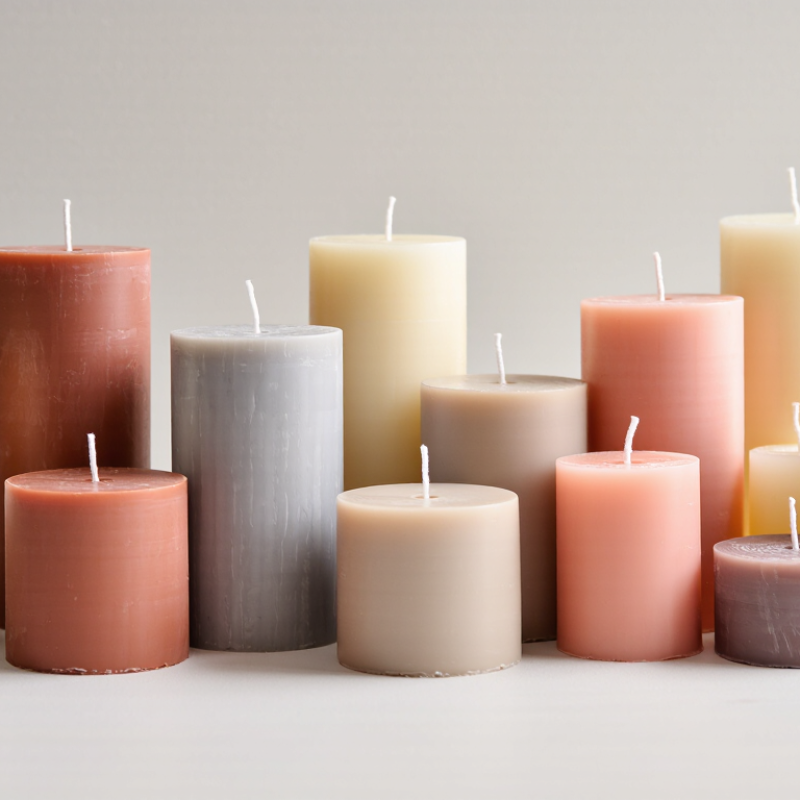
smooth paraffin for clean event styling
rustic-textured paraffin for farmhouse displays
ribbed pillars for modern tables
carved pillars for statement décor
marbled pillars for varied color
metallic-dipped pillars for festive settings
unscented pillars for dining
lightly scented pillars for retail gifting
soy-blend pillars for buyers seeking plant-based wax
beeswax pillars for naturally warm color.
Finishes, fragrance, and wax blends affect appearance and performance. Custom options may include color matching, private-label packaging, molded shapes, and coordinated sizes. A glossy finish can look impressive in a sample, yet scuff during shipping. That detail is easy to miss.
Tips: Request a production sample and test it in the intended setting. Confirm carton dimensions, minimum order quantities, and color tolerances. Do not assume “custom” means every size or finish is available.
Check Samples for Dimensions, Burn Performance, Packaging, and Labeling
For buyers comparing wholesale decorative pillar candles, a sample reveals details that a product sheet can miss. Measure the height and diameter with a ruler, then check whether several candles match. A small size difference can affect display spacing and packaging fit. Small details matter.
Test burn performance under consistent conditions. Place each candle on a stable, heat-resistant surface, away from drafts, and follow the supplier’s safety guidance. Record how easily it lights, whether the flame stays steady, and how the wax melts near the edges. Note visible smoke, dripping, or uneven burning. Results can vary.
Inspect the packaging as carefully as the candle. Check whether the sample arrives without dents, scuffs, or broken edges, and whether its inner protection keeps it secure during handling. Ask how the same packing method will work for a larger order. Labels should show the agreed dimensions, material details, and care instructions clearly. Keep notes. Samples may not represent every production batch, so confirm key specifications in writing before placing an order.
10 Wholesale Decorative Pillar Candle Sample Profiles
Compare nominal candle dimensions with indicative burn-time estimates when screening samples.
Burn times are illustrative estimates, not guaranteed specifications. Verify each sample with controlled burn tests, since wax blend, wick, and conditions affect performance. Also inspect protective packaging and carton strength, and confirm that labels clearly state candle size, relevant warnings, and any required market-specific information.
Use NFPA’s 7,610 Annual U.S. Candle-Fire Average (2014–2018) in Risk Reviews
For buyers comparing wholesale decorative pillar candles, safety deserves the same attention as color, finish, and case pricing. NFPA reported an average of 7,610 U.S. home structure fires involving candles each year from 2014 through 2018. This is a historical average, not a forecast for any specific candle or supplier. Still, it belongs in a risk review. Ask for clear burn instructions, product specifications, and evidence of quality checks. Examine whether each pillar sits steadily on a suitable, heat-resistant surface. A beautiful textured finish is not useful if it hides cracks or makes the candle unstable.
Tips: Request sample units from the production lot, not just display samples. Check dimensions, base flatness, and packaging protection. Ask how the supplier manages batch consistency and reports defects. Keep written answers with your purchasing records. Small details matter.
A simple review can reduce avoidable surprises, though it cannot remove every hazard. Consider the candle, its holder, and the setting where customers may use it. Packaging should communicate basic precautions in readable language. If documentation is vague, pause before placing a large order. I would not treat a polished catalog as proof of performance; that shortcut is easy to make, and easy to regret.
Conclusion
This guide helps buyers evaluate Wholesale Decorative Pillar Candles by defining practical purchasing requirements, including minimum order quantities, available sizes, wax types, and clear, verifiable burn-time claims. It also explains how to screen suppliers for alignment with ASTM F2417 candle fire-safety requirements and compare ten pillar-candle options according to finish, materials, intended use, and customization choices.
Before placing a bulk order, buyers should request samples and check dimensions, burn performance, packaging, and product labeling. These steps can help identify quality or handling concerns before products reach customers. The guide also puts fire risk in context, noting the reported U.S. average of 7,610 candle-related fires annually from 2014 to 2018, and encourages buyers to include safety considerations in their supplier reviews and purchasing decisions.