0%

Choosing the right Bulk Scented Jar Candles can shape a retailer’s customer experience, profit margin, and repeat sales. Wholesale buyers need more than attractive labels and pleasant fragrance names. They need consistent burn performance, secure packaging, dependable supply, and clear product information. A candle that smells wonderful in the box may perform differently in a larger room.

This guide examines ten strong options for wholesale purchasing. Each selection is considered through practical details, including scent strength, wax appearance, jar quality, wick behavior, and presentation. We also consider minimum order quantities, case packing, seasonal appeal, and supplier communication. These factors matter when shelves must look full and deliveries must arrive intact.

Real testing helps.

A sample should burn evenly, form a stable melt pool, and avoid excessive soot under normal use. Buyers should still test every batch, because fragrance oils, wax blends, and production conditions can vary. That uncertainty deserves attention. A polished product description cannot replace a physical sample.

The best choice is not always the cheapest candle. It may be the one with fewer damaged jars, clearer labeling, and more reliable replenishment. Some scents may sell quickly but create uneven inventory later. Others may seem ordinary until customers return for them. Weighing those details can help wholesalers build a balanced candle collection with practical confidence.
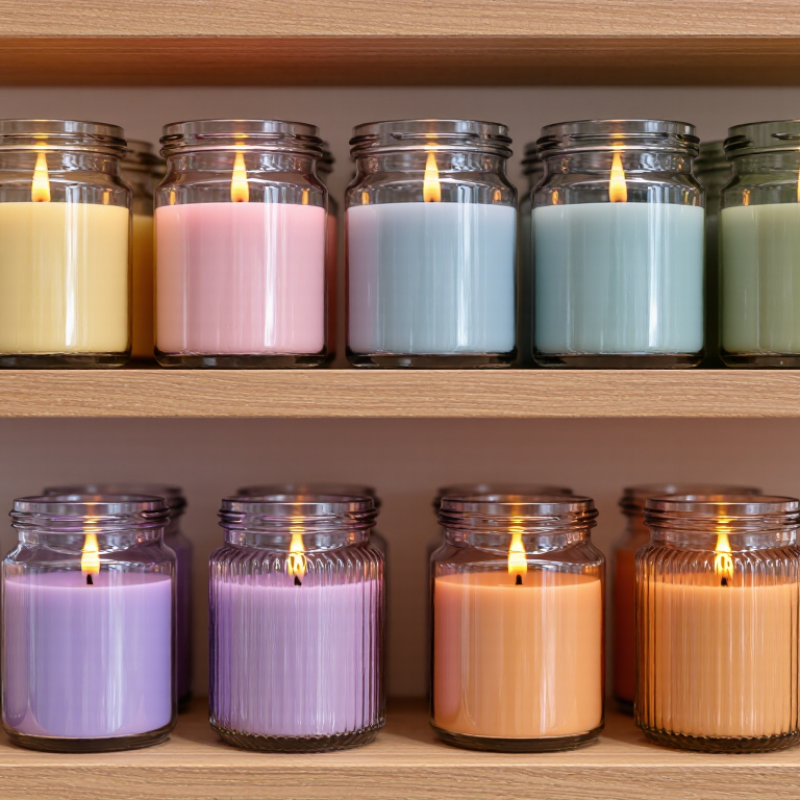
10 Best Bulk Scented Jar Candles for Wholesale Buyers

What Defines a Wholesale-Ready Scented Jar Candle

A wholesale-ready scented jar candle must perform consistently beyond a single attractive sample. Buyers should check wax appearance, fragrance balance, wick behavior, and burn time across several units. A clean label helps, but it does not replace reliable testing. The candle should arrive without cracks, loose lids, oil stains, or damaged cartons.

Scent consistency matters greatly for repeat orders. A vanilla candle should smell similar in the first shipment and the next one. Suppliers should provide fragrance specifications, vessel dimensions, net weight, batch details, and recommended storage conditions.

Safety labels must be clear and suitable for the destination market. Packaging should protect glass jars during handling, shelving, and delivery. It should also support efficient case packing.

Samples reveal useful problems. They do not reveal everything. A candle may burn well in a quiet room but perform differently near airflow or on a crowded display shelf. Buyers should test multiple samples, record melt-pool timing, observe soot, and inspect the wick after cooling. Wholesale terms also matter, including minimum order quantities, production schedules, replacement policies, and quality-control procedures. A low price can become expensive when cartons arrive late or scents vary noticeably. The best wholesale candle is not merely attractive; it is repeatable, documented, and practical for retail operations.

Key Features to Compare Across Bulk Candle Suppliers

When comparing bulk scented jar candle suppliers, start with the wax system, not the fragrance list. Soy, paraffin, beeswax, and blends behave differently during transport and use. Ask for wax composition, fragrance percentage, wick material, and net fill weight. These details affect scent throw, burn time, frosting, and surface appearance. Request recent samples from the same production line. A polished sample can hide uneven batch control. That matters.

Evaluate scent performance in two stages. Smell each candle cold, then burn it in a room with normal airflow. Record how quickly the aroma develops, whether soot appears, and if the melt pool reaches the jar edge. Suppliers should provide burn-test records, safety information, and container specifications. Check jar thickness, lid fit, heat resistance, and wick centering. Test samples carefully.

Wholesale buyers should compare minimum order quantities, sample fees, production lead times, carton strength, and replacement policies. Ask how fragrance and color batches are documented. Reliable suppliers can explain their inspection process without vague promises. Packaging also deserves attention. Dividers, sealed cartons, and readable batch markings reduce warehouse losses. Before placing a large order, test several units from different cartons. I have found consistency more valuable than a dramatic first impression. Still, no supplier is perfect. Keep written acceptance standards, and revise them after real customer feedback.

Top Scent Profiles for Retail and Hospitality Buyers

Retail and hospitality buyers often begin with familiar scent profiles. Vanilla, citrus, lavender, clean linen, and soft woods remain dependable choices for bulk jar candle programs. They are easy to understand and suit many customer preferences.

Vanilla creates a warm impression in boutiques, gift shops, and guest rooms. Citrus feels brighter, especially near entrances, reception desks, and summer displays. Lavender supports quiet spaces, but overly strong blends can seem medicinal.

Clean linen suggests freshness, although poor-quality fragrance can smell artificial. Soft sandalwood and cedar add depth to hotel lounges and premium retail shelves.

Fresh sells. Yet dependable does not mean universal.

A fragrance that performs well in a showroom may feel too heavy in a small guest room. Wholesale buyers should request samples and test both cold scent and hot throw. Check whether the wax burns evenly, the jar stays comfortable to handle, and the fragrance remains consistent across production batches.

Seasonal profiles deserve careful planning. Pumpkin, spice, and pine may attract attention, but they can become slow-moving stock after peak demand. I have also found that attractive scent descriptions sometimes hide weak performance. That is worth questioning before placing a large order.

Use a balanced assortment, with familiar profiles supported by one or two distinctive options. Supplier records, clear specifications, and repeat testing make purchasing decisions more reliable.

Jar Materials, Sizes, Burn Times, and Labeling Options

The 10 best bulk scented jar candles should balance jar materials, practical sizes, dependable burn times, and clear labeling. Glass jars offer a clean display and resist scent transfer, while ceramic jars feel heavier and more gift-ready. However, ceramic can increase shipping costs and breakage risks. A 6–8 ounce jar suits trial sets and hotel rooms. Larger 10–14 ounce jars create stronger shelf presence for retail stores. Always request material specifications before ordering.

Tips: Test three samples from different production batches. Record scent strength, wax appearance, flame behavior, and burn time. A stated 40-hour burn may vary with wick trimming, room airflow, and first-use habits. Leave space for warnings, net weight, fragrance details, batch codes, and your own retail label. Labels should remain readable after handling, especially near warm display windows.

In my own purchasing reviews, I have seen attractive jars hide weak labeling or uneven wax surfaces. That mistake costs time. Ask for a pre-production sample and inspect the lid fit, jar thickness, wick position, and label adhesion. Cotton, wood, and other wick types can produce different flames and sound levels. Request documented safety testing and consistent batch records from the supplier. A burn test in a small room is useful, but it cannot represent every customer’s home. Bulk buyers should compare landed cost, not only the unit price. Fancy packaging may reduce usable margin.

10 Best Bulk Scented Jar Candles for Wholesale Buyers

Typical burn-time comparison by candle size, with common jar materials and labeling considerations.

Typical Fill Size Approx. Burn Time Common Jar Material Suitable Labeling Options
4 oz / 113 g 20–30 hours Glass or tinplate Front paper label, lid sticker
8 oz / 227 g 35–50 hours Glass, tinplate, or ceramic Wrap label, front-and-back labels
12 oz / 340 g 50–70 hours Thick glass or ceramic Wrap label, screen printing
16 oz / 454 g 70–100 hours Thick glass or ceramic Large wrap label, printed vessel

The chart uses the midpoint of commonly specified burn-time ranges for scented jar candles. Actual performance depends on wax type, fragrance load, wick size, vessel diameter, and trimming practices. Glass is widely used for presentation and visibility, tinplate is lightweight and shipping-friendly, while ceramic provides a premium reusable vessel. For wholesale orders, confirm label dimensions, adhesive compatibility, warning-label requirements, and packaging specifications before production.

How to Evaluate Pricing, Quality, Safety, and Minimum Orders

10 Best Bulk Scented Jar Candles for Wholesale Buyers

Wholesale buyers should compare the complete landed cost, not only the unit price. Ask for sample pricing, freight estimates, carton dimensions, payment terms, and production lead times. A candle priced at $3 may cost more after fragile packaging and shipping. I once overlooked inner-carton fees, which changed the margin completely. Request a written quotation with identical specifications.

Quality needs physical testing. Check whether the jar feels thick and stable, with no chips, sharp edges, or uneven glass. Burn samples for several hours and record flame height, melt-pool width, soot, scent strength, and leftover wax. The wick should remain centered. Fragrance should perform during both cold and hot use. Some pleasant-smelling samples fail during longer burns. That matters.

Safety documents and clear labeling should be part of the supplier review. Ask about heat-resistant vessels, wick testing, fragrance compliance documentation, batch records, and warning instructions. Do not accept vague claims. A credible supplier can explain its testing process and provide consistent sample results. Minimum order quantity also deserves careful attention. Compare a 100-unit trial with a 1,000-unit order, including storage space and cash flow. A low MOQ is useful, but inconsistent production can create expensive returns. Inspect a pre-production sample before approving the full batch. Mistakes happen, even with experienced suppliers.

FAQS

What makes a scented jar candle ready for wholesale?

It must perform consistently across several units. Check wax appearance, fragrance balance, wick behavior, burn time, and packaging. One attractive sample is not enough.

Which scent profiles usually suit retail and hospitality buyers?

Vanilla, citrus, lavender, clean linen, and soft woods are familiar choices. Vanilla feels warm. Citrus feels bright. Lavender can become medicinal when overly strong.

How should buyers test candle quality?

Burn multiple samples for several hours. Record flame height, melt-pool timing, soot, scent strength, and leftover wax. Inspect the wick after cooling.

What packaging details matter during wholesale delivery?

Glass jars need protection from cracks, chips, loose lids, and oil stains. Cartons should support handling, shelving, delivery, and efficient case packing.

How can buyers compare the real cost?

Review the complete landed cost. Include unit price, sample fees, freight, carton dimensions, payment terms, and production time. A low price can become expensive.

What safety and documentation should suppliers provide?

Request vessel specifications, wick-testing details, fragrance documentation, batch records, storage conditions, and clear warning labels. Vague claims deserve careful questioning.

How should buyers evaluate minimum order quantities?

Compare a small trial order with a larger order. Consider storage space, cash flow, and potential returns. A low MOQ helps, but inconsistent production still creates problems.

Can seasonal scents improve wholesale sales?

Pumpkin, spice, and pine may attract attention during peak periods. They can become slow-moving stock later. Balance familiar scents with only one or two distinctive options.

Do samples reveal every possible problem?

No. A candle may burn well in a quiet room but react differently near airflow. Test it on a realistic display shelf. Testing is useful, not perfect.

Conclusion

This guide to the 10 Best Bulk Scented Jar Candles for Wholesale Buyers explains what makes a candle suitable for retail, hospitality, and other large-volume purchasing needs. It examines essential qualities such as consistent fragrance performance, reliable burn time, clean presentation, stable production standards, and packaging that supports safe storage and transport. Buyers will also learn which scent profiles are most appealing to broad customer groups, from fresh and herbal notes to warm, sweet, woody, and seasonal blends.

The article compares jar materials, popular sizes, labeling possibilities, wick performance, and estimated burn times to help businesses match products with their target markets. It also outlines practical ways to assess supplier pricing, product quality, safety information, customization options, and minimum order quantities. By considering these factors together, buyers can select Bulk Scented Jar Candles that balance visual appeal, customer satisfaction, operational reliability, and wholesale value.

Ethan

Ethan

Ethan is a dedicated marketing professional with a strong understanding of the company’s products, customers, and industry landscape. With a thoughtful, research-driven approach, he transforms complex product information into clear, practical, and engaging content that helps readers make informed......